As an Amazon Associate, PlanetBurger earns from qualifying purchases.
If you cook burgers on a griddle or flat-top, get a cheese melting dome: a pan lid has nothing to rest on, while a dome sits right on the cooking surface over a single patty. If you cook in a skillet that already has a lid, you don't need a dome; cover the pan for the last 20 to 30 seconds and you'll get nearly the same diner-style melt.
Quick picks
- Our pick for griddles: Heavy-Duty Cheese Melting Dome. Covers one patty at a time on any flat surface. More about it.
- The griddle it pairs with: Made In Carbon Steel Griddle. A big flat-top where a regular lid won't fit.
- Using a skillet? A cast iron skillet plus any lid that fits it does the job.
Why covering a burger melts cheese so fast
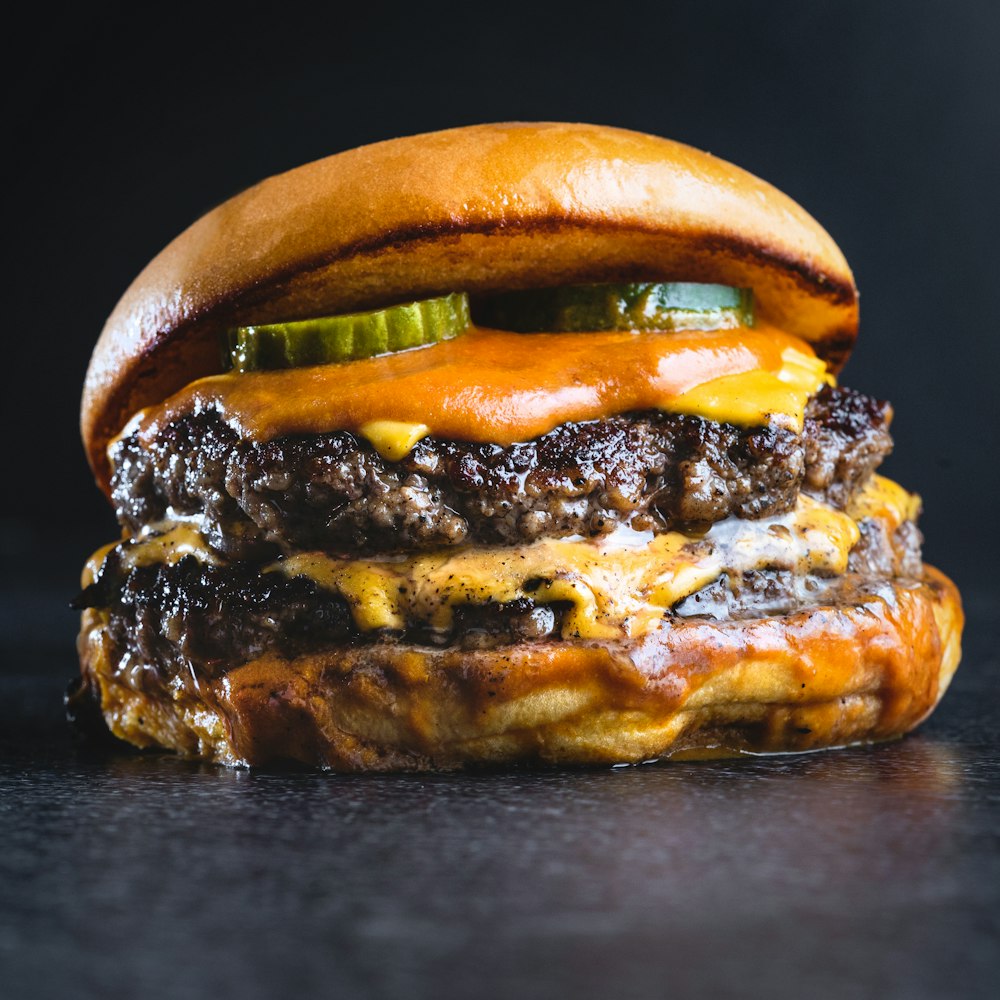
A slice of cheese on a hot patty only gets heat from below. Covering it traps hot air and any steam rising off the cooking surface, so the cheese warms from above too. The result is that glossy, draped melt you see at diners, in well under a minute, before the patty has a chance to overcook. Add a small splash of water next to the burger before you cover it and the burst of steam speeds things up further.
Melting dome vs. pan lid at a glance
- Griddle or flat-top: Dome wins. It sits flat on the surface; a lid needs a pan rim.
- Melting one patty at a time: Dome wins. Cover only the burger that's ready while the rest keep searing.
- Cooking in a skillet: Lid wins. You already own the tool.
- Grill grates: Dome wins for single patties; closing the grill lid works for the whole batch.
- Cost and storage: Lid wins, as long as you already have one that fits.
- Extra uses: Tie. Both can steam buns, finish onions or keep splatter down.
Do you need a melting dome?
Yes, if you cook on a griddle, plancha or outdoor flat-top. There's nothing for a lid to rest on, and covering the whole surface isn't practical. A dome (also sold as a basting cover or steaming dome) is the simple fix, and it's one of the cheaper upgrades to a griddle setup.
Probably not, if you cook in a skillet with a lid. Your lid already traps heat. The only downside is that it covers every patty in the pan at once, which is rarely a problem with two or three burgers.
Maybe, if you grill. On a gas or charcoal grill you can simply close the grill lid. A dome helps when you want to melt cheese on one burger without heating up everything else or when the grill is crowded.
What to look for in a melting dome
- Size. The dome should cover a patty and its cheese with room to spare. Bigger domes also cover a bun or a pile of onions. Measure your largest patty and leave an inch or two of clearance.
- Material. Stainless steel is the most common choice and is durable. Aluminum is lighter. Some domes have a glass window or are see-through so you can watch the melt.
- A heat-resistant handle. You'll be lifting it off a very hot surface, often in a cloud of steam. A handle that stays cool and gives your knuckles clearance matters.
- A flat bottom rim. The edge should sit evenly on the griddle so steam stays in.
- Easy cleaning. Smooth interiors wipe out fast. Some domes are dishwasher-safe; check the product's care instructions.
The diner trick, step by step
- Flip the patty and lay the cheese on top right away, while the meat is at its hottest.
- Add a splash of water. Squirt roughly a teaspoon of water onto the hot surface next to (not on) the burger. Skip this step in a skillet with very little room.
- Cover immediately with the dome or lid.
- Wait 20 to 30 seconds. Thin American cheese melts fastest; thicker or aged cheeses may take a little longer.
- Lift carefully, tilting the cover away from you so steam doesn't hit your face, and serve.
For a double, stack the second patty on the first slice of cheese, add another slice, and cover once more. The trapped heat helps the layers fuse.
Which cheeses melt best under a cover
- Best melters: American, young cheddar, Monterey Jack, Muenster and provolone.
- Good with a little extra time: Swiss, pepper jack and Gouda.
- Better as toppings than melters: Crumbled blue cheese, feta and hard aged cheeses. Cover them briefly to soften rather than melt.
Slice cheese thin and let it come out of the fridge a few minutes before cooking for the fastest melt. Our best cheese for burgers guide goes deeper.
Care for domes and lids
- Let the cover cool before washing; dunking hot metal in cold water can warp thin pieces.
- Wash with warm, soapy water and dry thoroughly, especially aluminum.
- Scrub off cooked-on grease spots with a non-scratch pad.
- Store a dome upside down or hang it so the rim stays flat and undented.
Put it to work
Try the trick on our Ultimate Smash Burger or Mushroom Swiss Burger. New to flat-top cooking? Start with how to cook burgers on a griddle. Covering a thick patty for a minute can also help it cook through, but always confirm 160°F for ground beef with a thermometer; see our burger temperature and doneness guide.
FAQ
Can I use a pot lid on a griddle?
Yes, a pot lid or an upside-down metal bowl can work in a pinch on a flat surface, but it won't seal as well and the handle may get hot.
How long does it take to melt cheese under a dome?
Usually 20 to 30 seconds for thin American cheese with a splash of water. Thicker slices and firmer cheeses take a bit longer.
Should I add water when melting cheese?
It's optional but helps. A small splash on the hot surface makes steam that melts cheese faster. Too much water can soften your crust.
Does a melting dome cook the burger faster?
A little, because it traps heat around the patty. That's useful for thick burgers, but check doneness with a thermometer rather than relying on time.
Hungry for more?
Find great burgers near you or cook one tonight.