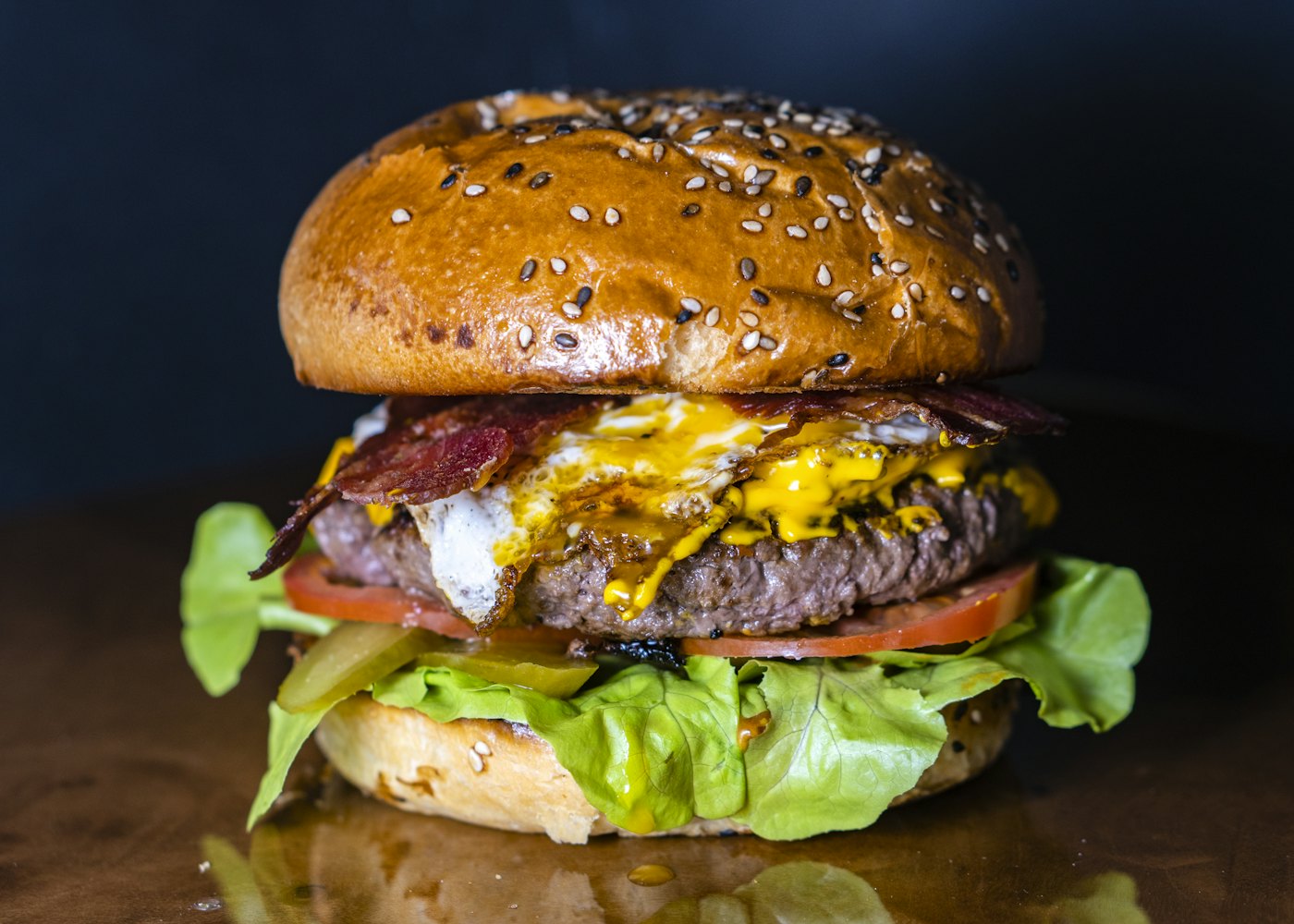
A dry-aged burger is made from beef that's been aged uncovered in a controlled cold room, which concentrates its flavor and adds nutty, savory, slightly funky notes you won't get from regular ground beef. It costs more because aging takes time and the dried outer crust gets trimmed away. For a special-occasion burger it's worth trying; for weeknights, a good 80/20 chuck is all you need.
Here's what dry-aging actually does, what to ask for at the butcher and how to cook a dry-aged burger so you taste what you paid for.
What is dry-aged beef?
Dry-aging means storing large cuts of beef, unwrapped, in a room where temperature, humidity and airflow are carefully controlled. USDA notes that commercial aging like this typically runs from about 10 days to 6 weeks. Over that time, a few things happen:
- Moisture evaporates from the meat, concentrating its beefy flavor.
- Natural enzymes break down muscle fibers, making the meat more tender.
- New flavors develop, often described as nutty, buttery or reminiscent of blue cheese, and they get stronger the longer the beef ages.
- The surface dries into a hard crust that has to be trimmed off before the meat is sold or ground.
Wet-aging, by contrast, means aging beef sealed in vacuum packaging. It tenderizes the meat but doesn't create the same concentrated, funky flavor. Most supermarket beef is wet-aged, if it's aged at all.
Why dry-aged beef costs more
Aging ties up meat and refrigerated space for weeks, and the beef loses weight as moisture evaporates. On top of that, the hard outer crust is trimmed away. Less sellable meat plus more time and equipment means a higher price per pound. That's also why dry-aged beef is usually sold by butchers and specialty shops rather than regular grocery cases.
What a dry-aged burger tastes like
A dry-aged burger tastes deeper and beefier than a regular one, with savory, nutty notes in the background. Because a burger made from 100% heavily aged beef can be intense and a little dry, butchers often grind aged trimmings together with fresh beef, usually chuck. The fresh beef keeps the blend juicy, while the aged beef adds character. Ask the butcher how long the beef was aged and what's in the blend; a short-aged blend will be milder than one made from long-aged cuts.
Can you dry-age beef at home?
USDA does not recommend aging beef in a home refrigerator. Commercial aging relies on tight control of temperature, humidity and airflow that a regular fridge can't match. If you want dry-aged flavor, buy it from a butcher who does it professionally.
How to cook a dry-aged burger at home
- Buy a blend from a butcher. Ask for a dry-aged burger blend, or ask whether they'll grind aged trimmings with fresh chuck. Cook or freeze it within 1 to 2 days, just like any raw ground beef.
- Form patties gently. Keep the meat cold and don't overwork it. See how to form burger patties.
- Season lightly. Salt and pepper just before cooking. Dry-aged beef already has plenty of flavor.
- Get a hard sear. A ripping-hot cast iron skillet or griddle builds a deep crust that complements the nutty aged flavor. Our guide to cooking burgers on the stove covers timing.
- Cook to a safe temperature. Aging doesn't change the rules for ground beef. USDA recommends 160°F, measured with a food thermometer, since color alone isn't a reliable sign of doneness. See our burger temperature and doneness guide.
- Rest briefly, then serve. A minute or two on the board keeps the juices in the patty instead of the bun.
Toppings that work with dry-aged beef
Keep it simple so the beef stays the star:
- A slice of sharp cheddar, Gruyère or American cheese. See the best cheese for burgers.
- Slow-cooked caramelized onions, whose sweetness balances the aged funk.
- Pickles or a little mustard for acidity.
- A soft, sturdy bun that won't fight the beef.
Skip heavy sauces and piles of toppings; they hide exactly what you paid extra for.
Where to try one
Dry-aged burgers show up most often at steakhouses and upscale burger restaurants, especially in big food cities. Browse our best gourmet burgers picks or the best burgers in New York City for splurge-worthy options, and check the menu description or ask your server whether the beef is dry-aged.
Is a dry-aged burger worth it?
If you like bold, savory beef and want something different for a special occasion, yes. If you're cooking for a crowd or making quick smash burgers, the difference often gets lost. Want to compare premium options? Read are wagyu burgers worth it, or ask your butcher to blend a little dry-aged beef into fresh chuck for a milder, more affordable version.
FAQ
Is dry-aged beef safe to eat?
Yes, when it's aged commercially under controlled conditions and the dried exterior is trimmed off. Cook dry-aged ground beef to 160°F like any other ground beef.
Why does dry-aged beef smell funky?
Enzyme activity and moisture loss during aging create concentrated, nutty and cheese-like aromas. That's expected. A sour, rotten smell or slimy texture is not, and means the beef should be thrown out.
How long is beef dry-aged?
Commercial aging typically ranges from about 10 days to 6 weeks. Longer aging produces stronger flavor.
Can I cook a dry-aged burger medium-rare?
USDA recommends cooking all ground beef to 160°F because grinding mixes surface bacteria into the center. Read is a medium-rare burger safe before deciding.
Hungry for more?
Find great burgers near you or cook one tonight.